|
The Truth About Baby Hiccups In The Womb pregnancy | 28 weeks 464.5K views
Author : Zahirah
Fact-checked By : Namrata Nongpiur
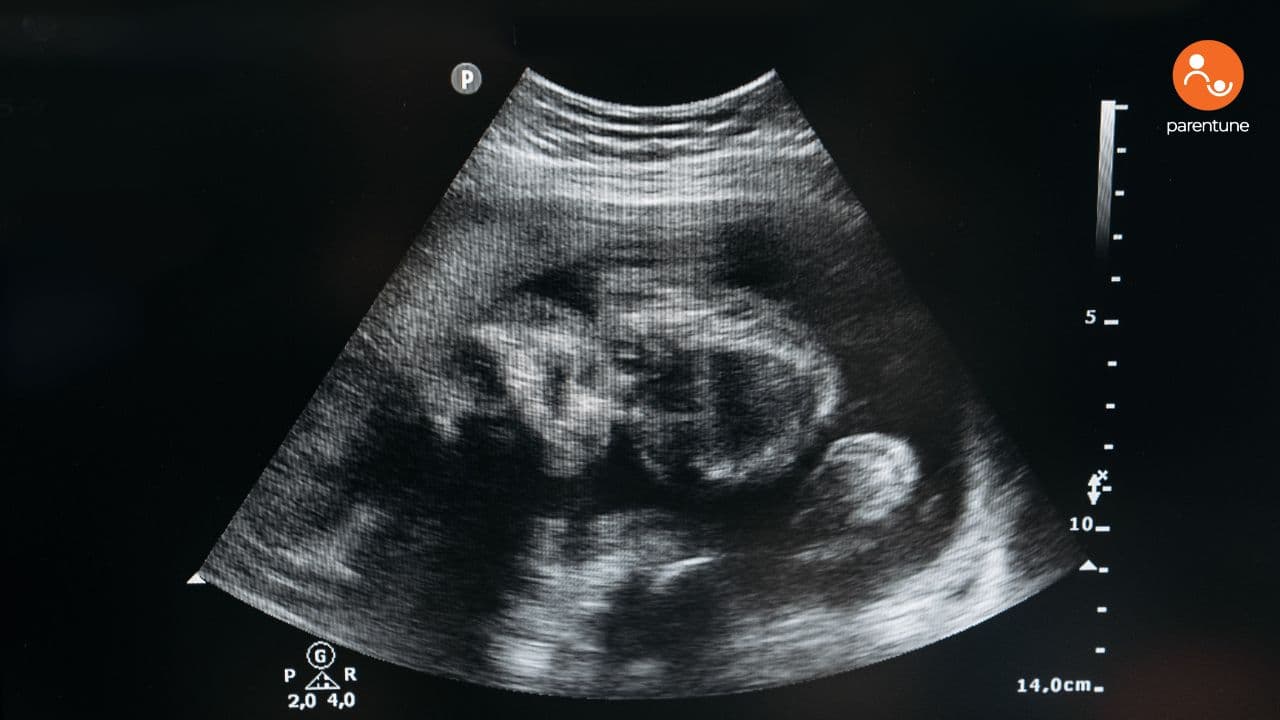
Published: 24/07/25 Updated: 24/07/25 Medical What They Really Mean and Why They Matter You’re lying in bed, hand on belly. And then—there it is. Yes. And no, it’s not weird. Let’s unpack it. What Are Baby Hiccups in the Womb, Really? They’re not hiccups in the adult sense. Fetal hiccups are more like practice drills—tiny spasms of the developing diaphragm. It’s the womb’s version of a sound check before the concert. Why Do Babies Hiccup in the Womb? We don’t have a single reason. We have three strong theories. 1. Breathing Practice 2. Nervous System Development 3. Feeding Reflex Prep So, yes—it’s normal. Recommended Reads: Why Does The Baby Hiccup in The Womb? When Can You Start Feeling Baby Hiccups? Newborn Hiccups: Why They Happen And How To Help How To Get Rid Of Baby Hiccups When Do Hiccups Happen Most Often? You’ll likely notice them:
After meals (yours, not theirs—though somehow, they feel synced)
When you’re resting or lying still
In the third trimester, when space is tighter and movements feel amplified They’re often rhythmic. Should I Ever Worry About Fetal Hiccups? Short answer: Not usually. Normal hiccups:
Start and stop predictably
Occur once or twice a day
Last under 15 minutes
Are accompanied by normal movement patterns Call your doctor if:
Hiccups suddenly become very frequent and intense late in the third trimester
Each episode lasts longer than 15–20 minutes
You feel a marked decrease in other types of fetal movement Why? Trust your instincts.
What Do Baby Hiccups Mean for Pregnancy Health? Here’s the surprising truth: They usually indicate:
A functioning central nervous system
Proper lung and muscle development
A growing baby who’s engaging with their own body It’s biology’s way of debugging the system before launch. So the next time you feel those pulses, don’t worry. Smile. How Can You Tell Hiccups Apart from Kicks or Flutters? Think rhythm. Hiccups feel more like a gentle inner twitch, sometimes low in the pelvis or near the ribcage. One mom described it like “a heartbeat in my belly that wasn’t mine.” It’s not dramatic. Can You Do Anything to Stop Them? Not really. And you shouldn’t try. But if they’re happening while you’re trying to sleep? Here are a few things you can do—for comfort, not control:
Change positions – Switch sides or stand for a few minutes
Go for a short walk – It shifts your baby’s position
Take slow deep breaths – To soothe your own nervous system Remember: You’re not just carrying a baby. You’re hosting a whole development laboratory. What Other Moms Are Saying On Parentune, hundreds of moms share moments like this every day. Some find fetal hiccups reassuring. One mom wrote: “At first, I thought it was something wrong. But once I knew it was hiccups, it became my favorite part of the day. Like my baby saying hi.” That’s the power of shared stories. So What’s the Bigger Picture Here? Fetal hiccups aren’t just cute. They teach us something profound: Growth doesn’t always look like progress. Sometimes it’s a repetitive twitch in the dark. But it’s growth nonetheless. Every hiccup is part of the unseen preparation—fine-tuning the systems that will one day cry, laugh, breathe, and be in the world. Parentune’s Take At Parentune, we believe in trusting the signals—and decoding them with care. Fetal hiccups are one of those early clues that your baby is doing what nature designed. Want to learn more about what’s normal, what’s not, and what others have experienced? Because sometimes, the best reassurance isn’t found on Google. It’s found in solidarity. Final Insight Not everything in pregnancy needs fixing. Like hiccups. Like you. Like this moment that won’t come again. (责任编辑:) |
14071720102156.png&w=64&q=75)