|
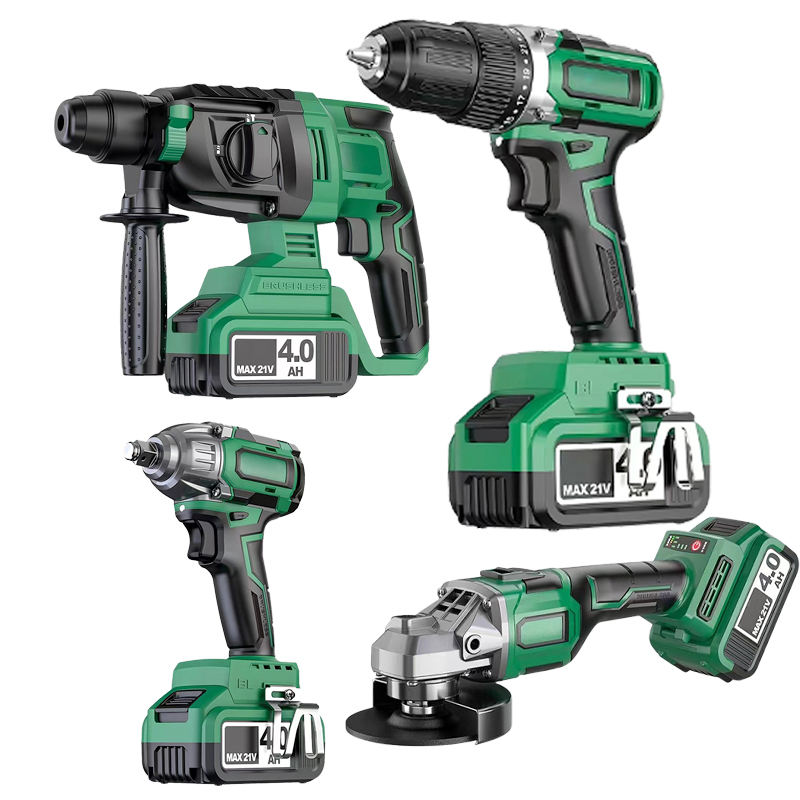
When choosing a small drill machine, prioritize power, chuck size, battery life (for cordless models), and portability—especially if you're working in tight spaces or doing precision tasks like model-making, electronics repair, or light woodworking. A compact drill with adjustable speed settings and a keyless chuck offers versatility for most DIY and hobbyist applications. For users seeking precision and control, a mini drill press attachment or rotary tool may be better than a standard handheld model. The best small drill machine balances performance, size, and ease of use without sacrificing durability 1. About Small Drill MachinesA small drill machine is a compact, lightweight drilling tool designed for precision work, limited-space environments, or portable use. Unlike full-sized power drills, these tools are optimized for tasks requiring fine control rather than heavy-duty torque. They range from palm-sized electric screwdrivers to mini rotary tools and tabletop micro drill presses. Common applications include crafting, jewelry making, PCB (printed circuit board) drilling, model building, and minor home repairs. Some models can handle soft metals, plastics, wood, and composites. Due to their reduced size and power, they are not intended for continuous industrial use or large-hole drilling in dense materials like masonry or thick steel. These tools are especially popular among hobbyists, electronics technicians, artisans, and detail-oriented DIYers who value accuracy over brute force. Their design often emphasizes ergonomics, variable speed control, and compatibility with small-diameter drill bits (typically 0.5mm to 3.2mm). Why Small Drill Machines Are Gaining Popularity
The growing interest in personal fabrication, maker culture, and at-home electronics repair has driven demand for compact, precise tools. With more people engaging in hobbies like drone building, RC modeling, custom PC modding, and 3D printing post-processing, the need for a reliable small drill machine has increased 2. Additionally, urban living spaces are shrinking, prompting users to favor space-saving tools. Portable and battery-powered options allow for flexibility in garages, apartments, or mobile workshops. The rise of e-commerce platforms like Amazon and AliExpress has also made niche tools more accessible globally, enabling buyers to find specialized mini drills that suit exact needs. Another factor is the affordability and modularity of modern small drill systems. Many come with interchangeable bits, extension shafts, and attachments that expand functionality beyond basic drilling—such as sanding, grinding, polishing, and engraving. Types and Variants of Small Drill Machines
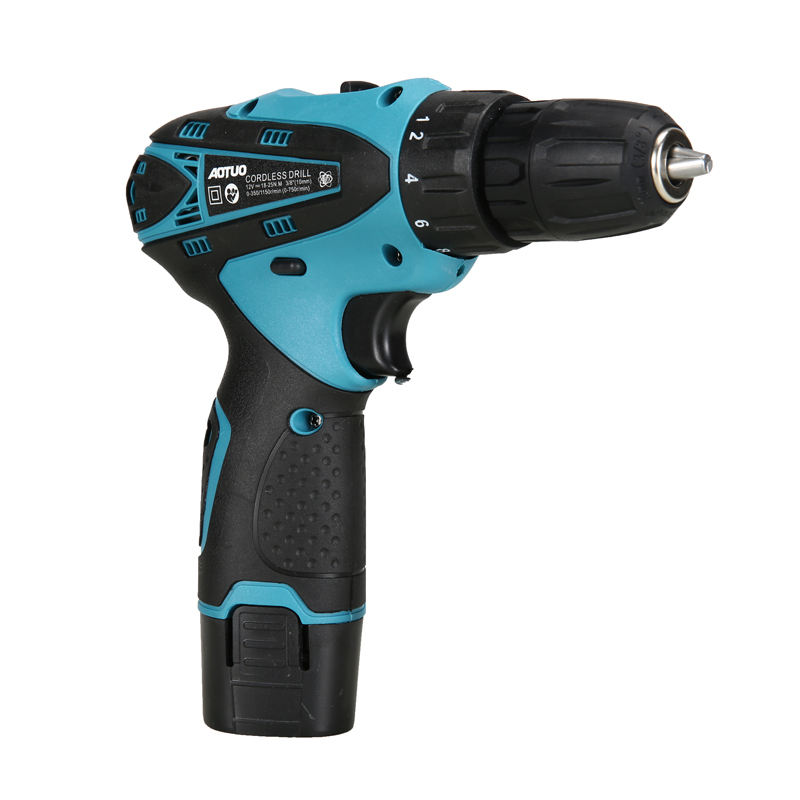
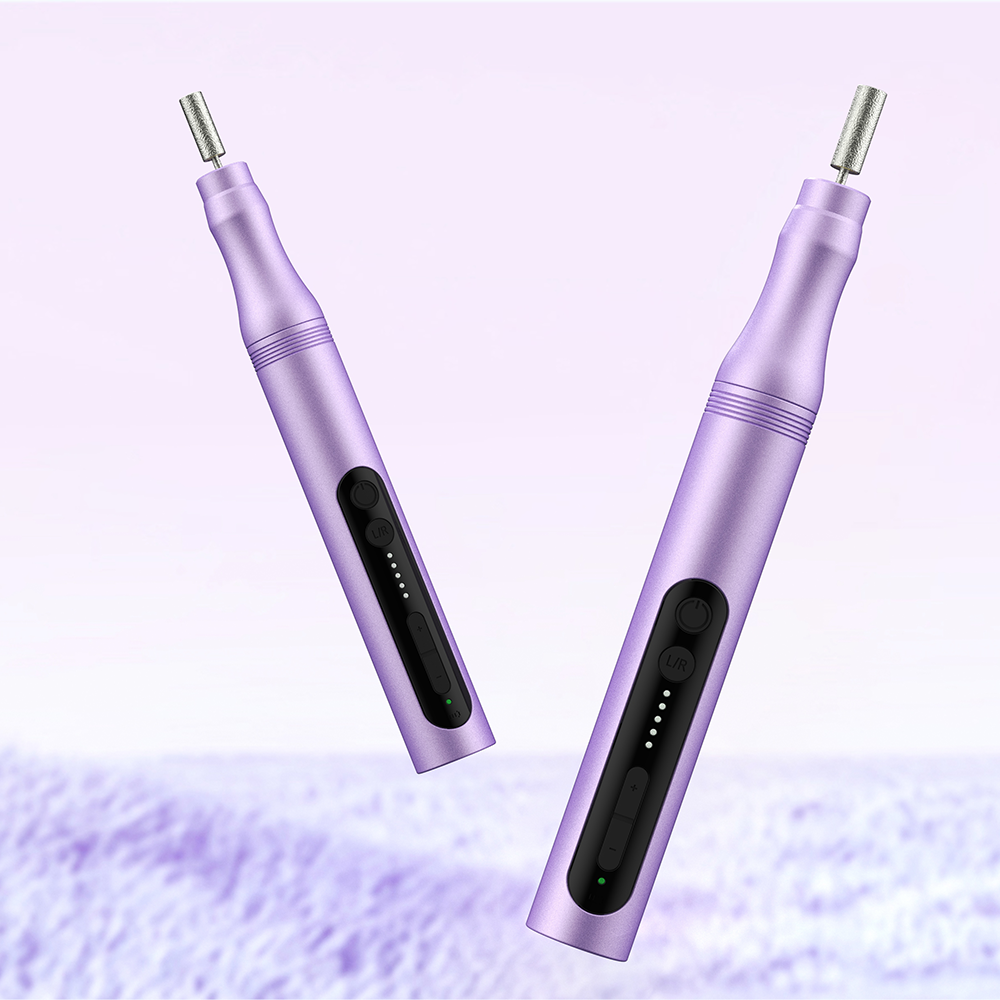
Understanding the different types helps narrow down choices based on your intended use. 1. Cordless Mini DrillsThese resemble scaled-down versions of standard power drills. Powered by rechargeable lithium-ion batteries, they offer portability and moderate torque. Pros: Easy to handle, good for light-duty tasks, often include LED lights and built-in bit storage. Cons: Limited runtime, lower RPM compared to plug-in models, less suitable for hard materials. 2. Rotary Tools (e.g., Dremel-style)Multipurpose handheld devices that accept various attachments, including small drill bits. Often used for detailed carving, cutting, and finishing work. Pros: Highly versatile, excellent precision, wide accessory ecosystem. Cons: Not ideal for deep or straight drilling; requires steady hand; collet system may wear over time. 3. Micro Drill Presses (Benchtop Models)Stationary units that hold the motor vertically over a worktable. Ideal for consistent, perpendicular holes in small components. Pros: Superior accuracy, stable platform, adjustable depth stops. Cons: Less portable, higher cost, takes up bench space. 4. Handheld Electric Screwdrivers with Drill FunctionCompact drivers designed primarily for screws but capable of light drilling in soft materials. Pros: Lightweight, simple operation, long battery life. Cons: Very low torque, limited speed range, not meant for actual drilling tasks. 5. Flexible Shaft Mini DrillsFeature a motor unit connected to a handpiece via a flexible drive shaft. Common in dental, jewelry, and engraving fields. Pros: Excellent maneuverability, ergonomic design, high-speed capability. Cons: More expensive, maintenance-intensive, fragile shafts. Key Features and Specifications to Evaluate
To make an informed purchase, consider the following factors when evaluating how to choose a small drill machine: Power Source: Corded vs. CordlessCorded models deliver consistent power and are better for prolonged use. Cordless drills offer mobility but require charging and may lose power over time. For occasional use, battery-powered is sufficient. Speed (RPM)Look for variable speed control (e.g., 5,000–20,000 RPM). Higher speeds are needed for metal and hard plastics, while lower speeds prevent cracking in wood or acrylic. Some advanced models include electronic feedback to maintain speed under load. Chuck or Collet SizeMost small drills use either a keyless chuck (up to 3.2mm capacity) or a collet system (commonly 0.8mm, 1.6mm, 2.4mm, or 3.2mm). Collets provide tighter grip and better concentricity for precision work. Ensure compatibility with standard bit shank sizes. Ergonomics and WeightA lightweight, well-balanced tool reduces fatigue during extended use. Rubberized grips improve comfort and control. Consider diameter and length—smaller hands may prefer slimmer designs. Adjustability and AccessoriesCheck whether the model supports attachments like stands, guides, sanding drums, or cooling nozzles. Interchangeable bases or modular kits add value for multi-use scenarios. Noise and Vibration LevelsHigh-speed operation can generate noise and vibration. Look for models with dampening features or anti-vibration housings, especially if used frequently. Duty CycleSmall motors heat up quickly. Check manufacturer guidelines for recommended run times and rest periods. Continuous-duty models are rare but available in higher-end benchtop units. Pros and Cons of Small Drill Machines
Ideal for precision and delicate work Portable and easy to store Energy-efficient and safer due to lower torque Suitable for beginners and children’s projects (under supervision) Often more affordable than full-size drills LimitationsNot suitable for large holes or tough materials like concrete Limited torque and depth penetration May require frequent bit changes due to small chuck size Battery life can be short in compact cordless models Potential overheating during sustained use Use a small drill machine when working on electronics, crafts, or intricate repairs. Avoid it for construction, demolition, or heavy metal fabrication. How to Choose a Small Drill Machine: Step-by-Step Guide
Follow this checklist to ensure you select the right tool: Define Your Primary Use: Are you drilling circuit boards, shaping resin, assembling models, or repairing appliances? Match the task to the appropriate type (rotary, mini drill, or benchtop press). Assess Material Requirements: Softwood, plastic, and thin aluminum are manageable. Hardened steel or stone require industrial tools—don’t expect a small drill to perform beyond its limits. Choose Power Type: Opt for corded if using continuously; cordless for portability. Check Speed Range: At least two speed settings or a dial-adjustable motor improves control. Verify Bit Compatibility: Confirm the chuck or collet accepts common bit sizes (e.g., 1/8 inch or metric equivalents). Review Build Quality: Metal gears last longer than plastic ones. Look for sealed bearings and quality switches. Test Grip and Balance: If possible, hold a demo unit or read user reviews about comfort. Look for Safety Features: Includes overload protection, insulated housing, or lock-off switches. Consider Expandability: Does it support a stand, flex shaft, or dust extraction? Read Warranty and Support: Reputable brands offer at least one-year coverage and accessible customer service. Red Flags to Avoid: Unrealistic performance claims (e.g., “drills through steel like butter”) No clear specifications (missing RPM, voltage, or chuck size) Poor ventilation or lack of thermal protection Non-standard chargers or proprietary batteries Negative feedback about motor burnout or poor durability Price & Market Insights
Small drill machines vary widely in price based on type, brand, and features: $10–$30: Basic rotary tools or mini drills from generic brands. Suitable for very light hobby use but may lack durability. $30–$70: Mid-range models from established brands (e.g., Dremel, Proxxon, WEN). Include multiple accessories, better motors, and improved ergonomics. $70–$150: High-performance rotary systems, benchtop micro drill presses, or professional-grade flexible shaft tools. Often used in labs, jewelry studios, or repair shops. $150+: Precision engineering tools with digital controls, coolant systems, or CNC compatibility. Value isn’t always tied to price. Some budget models perform well for casual users. However, for frequent or critical tasks, investing in a reputable brand typically pays off in longevity and consistency. Always compare specs rather than relying solely on marketing claims. Top-Seller & Competitive AnalysisBelow is a comparison of popular models across categories:
Model
Type
Max RPM
Chuck/Collet
Price Range
Best For
Note: Performance varies by application. Always verify compatibility with your materials and workspace requirements. Customer Feedback SynthesisBased on aggregated user reviews across major retail sites: Common Praises: “Perfect for drilling tiny holes in guitar fretboards.” “Lightweight and easy to control for detailed wood carving.” “The variable speed makes it safe for plastic without melting.” “Great value kit with all the bits I needed.” Recurring Complaints: “Motor burned out after 20 minutes of continuous use.” “Collet keeps slipping at high speed.” “Battery doesn’t last more than 15 minutes.” “No instructions included—had to look up setup online.” Reliability issues are more common with no-name brands. Users consistently rate build quality, consistent speed under load, and included accessories as top satisfaction drivers. Sourcing & Supplier TipsFor individual buyers, trusted retailers include Home Depot, Lowe’s, Amazon, and specialty tool suppliers like MSC Direct or Grainger. When sourcing internationally (e.g., Alibaba), verify seller ratings, request product specifications, and confirm return policies before bulk ordering. If purchasing for resale or educational kits, consider OEM partnerships or white-label options from manufacturers in China or Taiwan. Always inspect samples first and test for compliance with local electrical safety standards (e.g., UL, CE, RoHS). For schools or makerspaces, look for kits with protective cases, training guides, and spare parts availability. Maintenance, Safety & Legal ConsiderationsMaintenance Tips: Clean the motor housing regularly to prevent dust buildup. Lubricate moving parts (if specified by manufacturer). Replace worn collets or chucks to avoid bit wobble. Store in a dry place; remove batteries during long-term storage. Safety Practices: Always wear safety goggles—flying debris is a risk even with small drills. Secure the workpiece with clamps; never hold it by hand. Use correct feed pressure—excessive force damages bits and motors. Keep fingers away from rotating parts; use push sticks for small items. Work in well-ventilated areas when cutting plastics (toxic fumes possible). Legal and Compliance Notes: In the U.S. and EU, consumer power tools must meet electrical safety standards (e.g., UL 174 or EN 60745). Verify certification marks before importing or reselling. Commercial users may have additional OSHA or workplace safety obligations regarding tool usage and PPE. ConclusionSelecting the best small drill machine depends on matching the tool’s capabilities to your specific tasks. Whether you need a portable cordless mini drill for household fixes or a high-precision micro drill press for electronics, focus on speed control, chuck compatibility, build quality, and intended material use. Avoid overpaying for unnecessary features or underestimating duty cycle limitations. By assessing your needs honestly and reviewing real-world performance data, you can find a reliable, efficient tool that enhances your productivity without breaking the bank. FAQsCan a small drill machine drill through metal? What is the difference between a rotary tool and a mini drill? How do I prevent my small drill bit from breaking? Are cordless small drills powerful enough for regular use? Can I use Dremel bits in other rotary tools? |